Day bed placement errors: Avoiding common space planning mistakes (pitfalls)

Introduction: The Allure and Pitfalls of Daybeds in Singapore Homes

Daybeds. They're popping up everywhere in Singapore homes, aren't they? Especially in our cozy HDB flats and condos where every square meter counts. And it's easy to see why. They promise a stylish sofa by day and a comfy bed by night – talk about multi-tasking furniture! Plus, they can look absolutely stunning, adding a touch of elegance or a pop of personality to any room. But here's the thing: getting the placement right is crucial. Otherwise, that dream day bed can quickly become an awkward eyesore, or even worse, a space-hogging obstacle.

Think about it. You've scrimped and saved, maybe even braved the crowds at a furniture fair, to finally snag that perfect day bed. You envision lazy afternoons reading a book, or a stylish spot for guests to crash. But what if it ends up blocking a doorway? Or making your living room feel even smaller than it already is? Not ideal, right? That's why we're diving into the common day bed placement pitfalls and how to avoid them, ensuring your day bed becomes the stylish and functional addition you've always wanted.

Understanding Day Bed Functionality: Sitting vs. Sleeping

Before we even start thinking about where to put your day bed, let's be clear on what you'll actually *use* it for. Are you primarily after extra seating in your living room? Or is it more about having a spare bed for overnight guests? Maybe a bit of both? The answer to that question will heavily influence the best placement for your new furniture. Furniture is a big investment, after all!

Sitting Pretty: If your day bed is mainly for sitting, you'll want to position it in a way that encourages conversation and relaxation. Think about placing it opposite your sofa to create a cozy living room setup. Or, if you have a bay window, a day bed can be the perfect spot to soak up the sun and enjoy the view. Just imagine chilling there with a kopi in hand! In this scenario, prioritize easy access and a comfortable viewing angle for the TV or other focal points in the room. You might even consider adding some throw pillows and a soft blanket to make it extra inviting.

Sleeping Soundly: On the other hand, if your day bed is primarily intended for sleeping, you'll need to think about privacy and comfort. Ideally, you'd want to position it in a quieter area of your home, away from the main traffic flow. A guest room or even a well-defined corner of your study could work well. Consider adding blackout curtains or a room divider to create a more secluded sleeping space. And don't forget about a comfortable mattress! A good mattress is key for a good night's sleep, even on a day bed. Think about the mattress thickness as well - will it be easy to get in and out of bed? Also, remember to factor in space for a side table and a lamp for reading before bed.

The Hybrid Approach: Of course, many of us want a day bed that can do both – comfortable seating during the day and a cozy bed at night. In this case, flexibility is key. Look for a placement that works well for both scenarios. A day bed positioned against a wall can function as a sofa during the day, then easily transform into a bed at night. Consider adding a storage unit nearby to keep extra bedding and pillows neatly tucked away. This way, you can quickly convert your day bed from a stylish seating area to a comfortable sleeping space whenever needed. It's all about maximizing functionality without sacrificing style, right?

Common Placement Errors and How to Avoid Them

Okay, now for the nitty-gritty. Let's talk about the most common day bed placement mistakes people make, especially in Singapore homes where space is often at a premium. Knowing these pitfalls beforehand can save you a lot of headaches (and potentially a sore back from moving furniture around!).

Blocking Walkways: This is a big one. There's nothing more annoying than having to squeeze past furniture every time you want to get from one room to another. Before you even think about placing your day bed, map out the natural traffic flow in your home. Make sure there's ample space to walk comfortably around the day bed without bumping into it. The hall is typically the initial area guests see and where the whole household gathers at night, so it makes sense to want items that appears stylish, keeps cords tidy, and doesn’t make the room feel smaller than it already is in typical Singapore homes. Many homeowners struggle with oversized outdated units or budget cabinets that shake, attract dust fast, or just don’t fit the current aesthetic they’re aiming for. That’s exactly where a well-chosen customised furniture really delivers—it offers smart storage solutions for TV gadgets, set-top boxes, and controllers while becoming a chic statement piece that brings the room together seamlessly with minimalist profiles, clever storage sections, and luxurious surfaces. All at once your media corner turns tidy and purposeful, the space appears larger and more polished, and film evenings get way more fun without the disorder stealing attention. Browsing curated options on places like Wondrous La Vie makes it easy to source styles that suit your layout spot-on, from minimalist to luxurious, so your hall refresh turns smooth and just right.. A good rule of thumb is to leave at least 60cm of clearance for walkways. Confirm can or not before you buy, okay?

Ignoring Natural Light: Light is precious, especially in our HDB flats. Don't block windows with your day bed! Natural light can make a room feel bigger and brighter, and it's essential for our well-being. Instead, try to position your day bed in a way that maximizes natural light. If you have a beautiful view, even better! Position the day bed to take advantage of it. Imagine waking up to a stunning sunrise every morning – shiok, right?

Overcrowding the Room: We get it, you want to make the most of your space. But cramming too much furniture into a room can actually make it feel smaller and more cluttered. Before you buy a day bed, measure your room carefully and consider the dimensions of the furniture. Leave enough breathing room around the day bed so it doesn't feel like it's suffocating the space. Less is often more, especially in small apartments. You don't want your guests to feel like they're trapped in a furniture maze, do you?

Neglecting Proximity to Power Outlets: In today's world, we're all constantly connected. So, it's important to consider the proximity of your day bed to power outlets. You'll want to be able to easily charge your phone, laptop, or other devices while relaxing on the day bed. If there aren't any outlets nearby, consider adding an extension cord or a power strip. Nobody wants to run out of battery mid-Netflix binge, right? Plus, a nearby outlet is handy for a reading lamp.

Maximizing Space with Strategic Day Bed Placement

Alright, let's get practical. How *do* you maximize space with your day bed placement, especially in a compact Singapore home? Here are some clever strategies to consider.

Corner Placement: Corners are often underutilized spaces. A day bed can fit perfectly into a corner, creating a cozy and inviting nook. This is especially effective in smaller rooms where you want to make the most of every square inch. Plus, a corner placement can help to define a separate zone within a larger room. Maybe you can create a reading corner or a chill-out zone – steady!

Against a Wall: Placing your day bed against a wall is another great way to save space. This allows you to use the day bed as a sofa during the day, then easily convert it into a bed at night. Singapore homeowners often encounter special considerations when furnishing their homes, mainly due to tight space constraints in HDB flats and condos and constant high humidity that affects furniture longevity. This is exactly why many smart local shoppers take their time to research carefully to secure quality without overspending. day bed stands out as an excellent choice that combines both great comfort with everyday functionality. It pays to purchasing affordable pieces in Singapore with first-class after-sales service means you get full support including seamless island-wide delivery, professional-grade installation, and long-lasting warranties that provide true long-term peace of mind for years ahead.. Adding some throw pillows and a backrest can make it even more comfortable for sitting. Plus, you can use the wall space above the day bed to hang artwork or shelves, further maximizing the space.

Utilizing Vertical Space: Speaking of shelves, don't forget about vertical space! Adding shelves above your day bed can provide extra storage for books, magazines, or decorative items. This is a great way to keep your space organized and clutter-free. You can even add some plants to the shelves to bring a touch of nature indoors. It's all about making the most of every available space, right?

Daybeds with Built-in Storage: Look for day beds with built-in storage drawers or compartments. This is a fantastic way to stash away extra bedding, pillows, or other items. It's like having a secret storage space hidden in plain sight! This is especially useful in small apartments where storage space is at a premium. Think of it as a two-for-one deal: a stylish day bed and a convenient storage solution all in one.

After a long day being crammed in the MRT and powering through meetings, most Singaporeans just want to return home to a space that feels welcoming and calm instead of adding to the stress. A cluttered living room or an uncomfortable bedroom can make chilling out even more difficult, especially when the entire family are trying to relax together. That’s where thoughtful HDB interior design Singapore really makes a difference—it turns everyday rooms like your living area, bedroom, or kitchen area into personal havens that actually help you unwind. With the right living room seating, sleep surface, or smart layout, suddenly coming home feels shiok lah, and small changes can bring huge benefits to your daily mood and family bonding. Sites such as Wondrous La Vie make it more straightforward to explore options and match with designers who get the the Singapore home vibe spot on. This format lets you easily generate multiple SEO-optimised variations while keeping the core keyword "interior design" stable in the middle for strong on-page targeting..

Styling Your Day Bed to Complement Your Singapore Home

Finally, let's talk about style. Your day bed should not only be functional but also visually appealing. It should complement the overall aesthetic of your Singapore home. Here are some tips on how to style your day bed to create a cohesive and stylish look.

Choosing the Right Fabric and Color: The fabric and color of your day bed should complement the existing décor in your home. If you have a neutral color scheme, you can add a pop of color with a brightly colored day bed. Or, if you prefer a more subtle look, choose a day bed in a neutral color that blends in with the surroundings. Consider the texture of the fabric as well. A soft, cozy fabric will make the day bed more inviting, while a more durable fabric will be better suited for high-traffic areas.

Adding Throw Pillows and Blankets: Throw pillows and blankets are a great way to add comfort and style to your day bed. Choose pillows and blankets in different sizes, shapes, and textures to create a visually interesting look. You can also use pillows and blankets to add a pop of color or pattern to your day bed. Don't be afraid to mix and match! Just make sure the colors and patterns complement each other.

Accessorizing with Rugs and Lighting: A rug can help to define the space around your day bed and add warmth and texture to the room. Choose a rug that complements the color and style of your day bed. Lighting is also important. Add a floor lamp or a table lamp near your day bed to provide adequate lighting for reading or relaxing. A well-lit day bed is a cozy and inviting space.

Personalizing with Décor: Finally, don't forget to personalize your day bed with décor that reflects your personal style. Add some artwork, plants, or other decorative items to make the space your own. This is your chance to express your creativity and make your day bed a truly unique and special space. After all, your home should be a reflection of you, right?

So, there you have it! By avoiding these common placement errors and following these styling tips, you can ensure that your day bed becomes a stylish and functional addition to your Singapore home. Now go forth and create the day bed oasis of your dreams! Remember, it's all about maximizing space, functionality, and style – like that, confirm plus chop!
Blocking Natural Light & Ventilation: A Singaporean Climate Nightmare

In Singapore’s fast-paced life, coming home to a space that feels properly relaxing can make the biggest change after a tiring day of office grind and MRT squeezes. Many busy families start by eyeing improvements for their living room or master bedroom, imagining pieces that feel premium while genuinely supportive enough for everyday living. That’s exactly why single sofa bed stands out—it brings that beautiful combination of sophisticated style, premium materials, and genuine relaxation that turns everyday spaces into havens you can’t wait to return to relaxing in. Imagine sinking into a plush sofa after family time or feeling truly rested on a high-quality mattress that supports you just right; suddenly, your home feels more like a personal retreat not just four walls. Exploring curated selections on platforms like Wondrous La Vie helps you find these furniture without the hassle, making it simpler to create a space that’s both elegant and calming..

Singapore, we all know, is hot and humid. Like, *really* humid. So, when you're setting up your new BTO flat or giving your current place a refresh, getting the light and ventilation right is super important. And believe it or not, something as simple as where you put your day bed can totally make or break your comfort levels. You wouldn't want to end up feeling like you're living in a sauna, right?

One of the biggest mistakes I see people make? Blocking their windows! It's like, why even have windows if you're just going to stick a massive piece of furniture right in front of them? Let’s dive into how to avoid this common pitfall.

The Window Blockage Blunder

Okay, imagine this: you've finally gotten your dream day bed. It's comfy, stylish, and looks perfect in your living room… except it's smack-bang in front of your only window. Now, instead of enjoying a bright, airy space, you're stuck with a dim, stuffy room. Not ideal, lah! Especially when you consider how much natural light affects our mood and energy levels. Think about it – on a cloudy day, don’t you already feel a bit more sluggish? Now imagine blocking out the sun *completely*.

And it's not just about the light. Blocking your windows also restricts airflow. In Singapore, that natural breeze can make a huge difference in how comfortable your home feels. We’re talking about saving on your electricity bill from less aircon use, one! Plus, good ventilation helps to prevent mould and mildew, which can be a real problem in our humid climate. So, blocking that airflow is like asking for trouble.

So, what can you do? First, take a good look at your room and identify your main sources of natural light and ventilation. Where do the breezes usually come from? Which windows get the most sunlight? Once you know that, you can start planning your furniture arrangement to maximize these benefits. Because, honestly, who wants a dark and stuffy home? Certainly not this girl!

Strategic Day Bed Positioning: Capturing the Breeze

Alright, so you know you need to keep your windows clear. But where *do* you put your day bed then? The key is strategic positioning. Think about placing your day bed along a wall that *doesn't* have a window, or at least not a window that's crucial for ventilation. Consider the path of the sun throughout the day. Will the day bed be in direct sunlight during the hottest hours? If so, you might want to rethink its placement or invest in some good blinds or curtains.

Another thing to consider is the size of your room. If you're working with a small space (like many of us in Singapore are!), you need to be extra clever with your furniture placement. A bulky day bed can easily overwhelm a small room, making it feel even smaller and more cramped. In that case, consider a smaller, more streamlined day bed, or even a convertible sofa bed that can serve multiple purposes. These are the kind that steady Furniture solutions are all about!

Don’t forget about the flow of traffic in your room. You want to be able to move around easily without bumping into furniture. Make sure there's enough space to walk comfortably between your day bed and other pieces of furniture. After all, you don't want your home to feel like an obstacle course!

And hey, here’s a thought! Have you considered diagonal placement? Sometimes angling a day bed in a corner can actually open up a room and create a more visually interesting space. It's worth experimenting with different layouts to see what works best for your room and your lifestyle.

Sheer Curtains: Letting the Light In, Gently

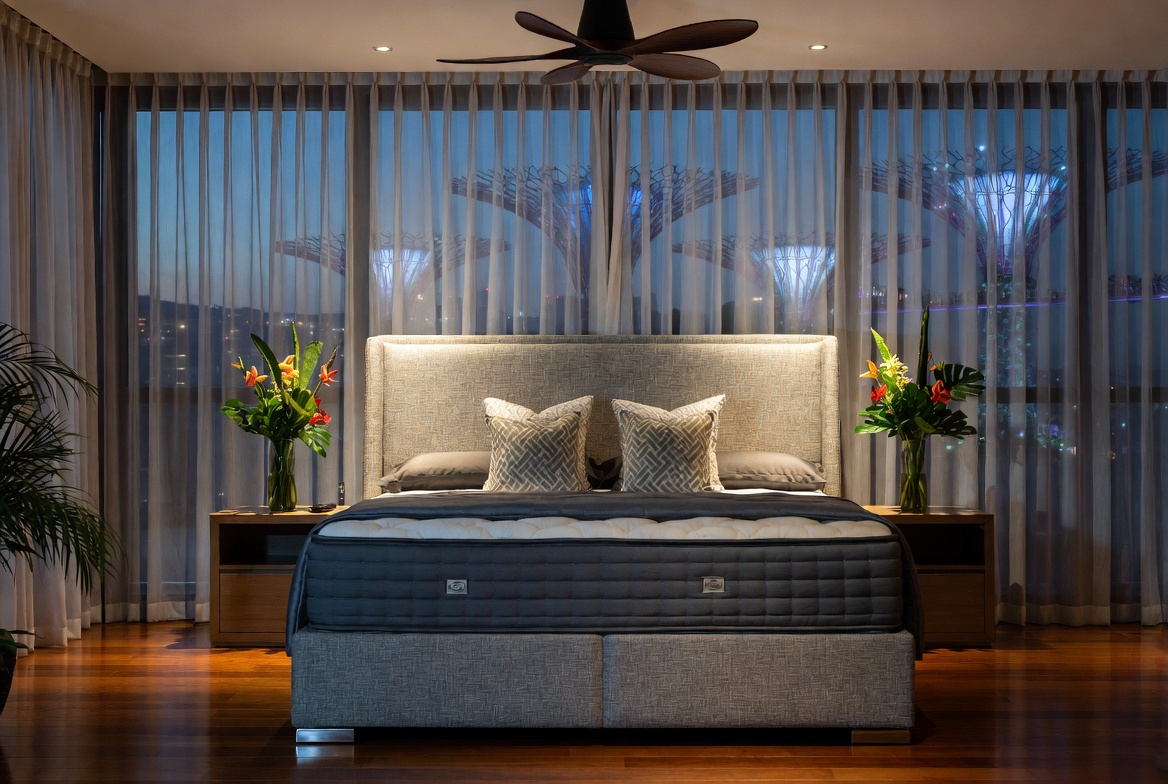
Okay, so you've got your day bed positioned strategically, but you still want to control the amount of light that comes into your room. That's where sheer curtains come in! These babies are a lifesaver, especially in Singapore's sunny climate. They allow natural light to filter through while still providing some privacy and reducing glare. It's like having the best of both worlds!

Sheer curtains are also great for creating a soft, airy feel in your room. They can instantly make your space feel more inviting and relaxing. And let's be honest, who doesn't want a relaxing home after a long day at work? Plus, they come in a variety of colours and patterns, so you can easily find something that matches your décor. You can even layer them with heavier curtains for added privacy and light control. Like that, confirm can!

But here’s a pro tip: when choosing sheer curtains, pay attention to the fabric. Some fabrics are more transparent than others, so you'll want to choose something that provides the right amount of privacy for your needs. Also, consider the length of the curtains. You want them to be long enough to reach the floor, but not so long that they drag and get dirty. A little bit of tailoring might be necessary, but it's worth it for that perfect, polished look.

Day Bed Functionality: Sitting vs. Sleeping

Now, let's talk about how you actually plan to *use* your day bed. Is it primarily for sitting and lounging, or will it be used for sleeping as well? This will influence the type of day bed you choose and how you position it in your room. If you plan to use it primarily for sitting, you'll want to make sure it's comfortable and supportive. Look for a day bed with a good mattress and plenty of cushions. You might also want to consider adding a side table for drinks and snacks.

On the other hand, if you plan to use your day bed for sleeping, comfort is even more crucial. You'll want to choose a day bed with a high-quality mattress that provides good support. Consider adding a mattress topper for extra comfort. And don't forget about bedding! Invest in some soft, comfortable sheets, pillows, and a duvet. After all, a good night's sleep is essential for your health and well-being.

Here's a little something to chew on: Did you know that some day beds actually come with built-in storage? These are perfect for small spaces where storage is at a premium. You can use the storage space to store extra bedding, pillows, or even books and magazines. It's a great way to keep your room tidy and organized.

Ultimately, the best way to position your day bed is to experiment and see what works best for your space and your lifestyle. Don't be afraid to try different layouts and arrangements until you find something that feels right. And remember, the goal is to create a comfortable, inviting space that you'll love spending time in. So, go ahead and get creative!

Scale and Proportion Problems: Daybeds Overpowering Small Spaces

Okay, here's the HTML fragment for the "Scale and Proportion Problems: Daybeds Overpowering Small Spaces" section, following all your specifications.

Space Audit

Before you even *think* about buying that gorgeous day bed, take a long, hard look at your room. Really *see* it. It’s not just about knowing the square footage, but understanding how you actually *use* the space. Do you have a clear walkway? Are there existing furniture pieces that already eat up a lot of visual space? A thorough space audit helps you avoid that sinking feeling later when your new day bed makes your living room feel like a storage unit, not a haven. After those endless workdays and the routine commute crush, nothing beats walking into a hall that actually encourages relaxation instead of piling on more tiredness. Many busy Singapore households discover their existing sofa setup just isn’t cutting it—too stiff, too worn, or simply not supportive enough for weekend chilling or lazy weekends with the little ones. That’s precisely where italian design furniture singapore truly shines—it pairs classic elegance, supple premium upholstery, and clever ergonomic design so you can melt into it and genuinely unwind without your spine protesting the next day. Picture the whole family coming together effortlessly, sharing stories after meals or watching dramas together, because the space suddenly becomes warm and welcoming. Choosing the right one through curated platforms Wondrous La Vie makes it straightforward, letting you uncover that dream sofa that elevates your entire home vibe without the common home-upgrade worries.. Remember, confirm plus chop, measure twice, buy once!

Accurate Measurements

Okay, you've eyed your room. Now, grab a measuring tape and get down to brass tacks. Don't just eyeball it, leh! Measure the length, width, and even the height of your room. Note the positions of doors, windows, and any architectural features that might affect day bed placement. It’s also crucial to measure existing furniture if you plan to keep it. These accurate measurements are your secret weapon against accidentally buying a day bed that turns your cozy apartment into a cramped obstacle course.

Daybed Dimensions

Now for the fun part: day bed shopping! But hold on, don’t get distracted by the pretty fabrics just yet. Pay close attention to the day bed's dimensions – length, width, and height. Consider not just the footprint, but also how far it extends when used as a bed. Will it block a doorway or make it difficult to access other furniture? Remember that a day bed is Furniture, and should enhance your space, not hinder it. A little planning here saves a lot of headaches later, like trying to return a bulky item.

Visual Balance

Think of your room as a visual scale. A massive day bed in a small space will tip the balance, making the room feel smaller and more cluttered than it actually is. Aim for visual harmony. If you have a small room, opt for a day bed with a lighter frame and cleaner lines. Consider the height of the day bed in relation to other furniture. You don’t want it to tower over everything else, creating a disproportionate and unsettling effect. Day bed functionality is important, but so is aesthetics, especially in our Singapore homes where space is precious.

Negative Space

Negative space, or empty space, is just as important as the furniture itself. It allows the eye to rest and prevents a room from feeling claustrophobic. When planning your day bed placement, consider how much negative space you'll have left. Can you still move freely around the room? Does the space feel open and inviting, or cramped and overwhelming? Leaving ample negative space is key to creating a comfortable and stylish living area, even in a smaller BTO flat. Remember, sometimes less is more, especially when it comes to furniture in Singapore!

Traffic Flow Obstruction: Creating Clutter and Chaos

Ever walked into a room and felt…stuck? Like you’re navigating an obstacle course instead of relaxing? Yeah, we’ve all been there. Sometimes, the culprit isn't just clutter; it's the furniture arrangement, especially the placement of your furniture. And a prime offender? The humble day bed.

A furniture day bed is a fantastic addition to any Singaporean home, especially when space is at a premium. It's a sofa! It's a bed! It's… potentially blocking your entire living room? Let’s talk about how to avoid turning your cozy haven into a cramped maze. After all, you want your BTO flat to feel spacious, not smaller, right?

The Day Bed as a Roadblock: Identifying the Problem

Think of your living space as a network of roads. You need clear pathways to get from point A to point B without bumping into things. A poorly placed day bed can be like a sudden road closure during peak hour – frustrating and disruptive. Imagine trying to squeeze past it every time you want to grab a snack from the kitchen or head to the balcony to enjoy the evening breeze. Not ideal, furniture is meant to enhance lifestyle.

One common mistake is shoving the day bed against a doorway or in the middle of a high-traffic area. This immediately creates a bottleneck, forcing people to awkwardly maneuver around it. Another pitfall is placing it too close to other furniture, like the TV console or coffee table, leaving insufficient legroom and making the entire space feel cramped. Picture this: You're trying to watch your favourite Korean drama, but your legs are constantly bumping into the day bed. Aiyoh, so annoying!

Consider the furniture day bed's primary function. Is it mainly for sitting or sleeping? If it's primarily a seating area, it should be placed in a way that encourages conversation and interaction. If it's more for lounging and occasional sleeping, it needs to be positioned to maximize relaxation and minimize disruption to the flow of the room. The furniture day bed functionality matters! We'll delve deeper into this later.

Ask yourself: Do I have to constantly sidestep or squeeze past the day bed? Does it block access to essential areas of the room? Does it make the space feel smaller and more cluttered? If the answer to any of these questions is yes, then your day bed placement is likely hindering the flow of movement in your home.

Assessing Your Space: Understanding Traffic Patterns

Before you even think about moving your day bed, take a step back and observe how you and your family actually use the space. What are the natural pathways? Where do people tend to walk? Where do they gather?

Imagine drawing invisible lines on the floor, tracing the routes you typically take throughout the day. These lines represent your "traffic patterns." Ideally, you want to keep these pathways clear and unobstructed. A good rule of thumb is to aim for at least 60-90cm of walking space between furniture pieces. This allows for comfortable movement without feeling cramped. For main thoroughfares, like the path from the front door to the kitchen, you might even want to aim for a meter or more.

Consider the placement of doorways, windows, and other architectural features. These elements can significantly impact traffic flow. For example, a day bed placed directly in front of a window can block natural light and make the room feel darker and smaller. Similarly, a day bed positioned too close to a doorway can create a bottleneck and make it difficult to enter or exit the room.

Think about how different activities affect traffic patterns. When you're watching TV, do people tend to walk in front of the screen? When you're entertaining guests, where do they congregate? When you're working from home, do you need easy access to your desk or printer? Understanding these nuances will help you determine the best placement for your day bed, ensuring it complements, rather than hinders, the flow of your daily life. It's all about creating a space that works for you, not against you, steady boh?

Alternative Day Bed Placements: Optimizing Walkability

Okay, so you've identified that your day bed is causing a traffic jam. What now? Don't worry, there are plenty of alternative placements that can optimize walkability and create a more harmonious flow in your home.

Against a Wall: This is often the most space-efficient option, especially for smaller apartments. Placing the day bed against a wall creates a clear pathway through the center of the room. It also allows you to maximize the use of vertical space by adding shelves or artwork above the day bed. This is a classic placement that confirm can make your room feel bigger.

In a Corner: A corner placement can create a cozy and inviting nook. It also frees up valuable floor space and allows for more flexible furniture arrangement. Consider adding a small side table and a reading lamp to create a dedicated relaxation zone.

As a Room Divider: In larger, open-plan living areas, a day bed can be used to subtly divide the space into different zones. For example, you could use it to separate the living area from the dining area or create a dedicated reading corner. Just make sure to leave enough space on either side for comfortable passage.

Floating in the Room: If you have a larger room, consider floating the day bed away from the walls. This can create a more dynamic and interesting layout. However, be mindful of traffic flow and ensure that there is enough space around the day bed for comfortable movement. This works especially well if the furniture day bed has a visually appealing back.

Experiment with different placements and see what works best for your space and lifestyle. Don't be afraid to move things around until you find the perfect spot. And remember, the goal is to create a space that is both functional and aesthetically pleasing. It's your home, after all, so make it a place you love to be.

Day Bed Functionality: Sitting vs. Sleeping Considerations

Earlier, we touched on considering the primary function of your day bed when deciding on its placement. Let's dive a little deeper into that. Is your day bed mainly for sitting and lounging, or is it primarily intended for sleeping?

Sitting and Lounging: If your day bed is primarily used as a seating area, you'll want to position it in a way that encourages conversation and interaction. Consider placing it opposite a sofa or armchair to create a comfortable seating arrangement. You might also want to add a coffee table or side table for drinks and snacks. The goal is to create a space that is conducive to socializing and relaxation. Think about how you typically entertain guests. Do you prefer a more formal setting or a more casual, relaxed vibe? Your day bed placement should reflect your personal style and preferences.

Sleeping: If your day bed is primarily used for sleeping, you'll want to prioritize comfort and privacy. Consider placing it in a quieter area of the room, away from high-traffic areas. You might also want to add curtains or blinds to block out light and create a more restful environment. Think about the type of mattress you'll be using. A comfortable mattress is essential for a good night's sleep. You might also want to consider adding a mattress topper for extra cushioning. And don't forget the pillows and blankets! Creating a cozy and inviting sleeping space is key to getting a good night's rest.

Many furniture day beds are designed to function as both a sofa and a bed, offering versatility for small spaces. In this case, consider how often you'll be using it for each purpose and prioritize the placement accordingly. Singapore homes can feel extra cramped after a hectic day of darting from work to meetings and battling the packed MRT, so it’s no wonder many people crave a space that immediately soothes you the moment they step inside. The living area often ends up as the central hub of family life, yet it’s easy for it to become cluttered with mismatched pieces or sofas and chairs past their prime, leaving everyone apart instead of together. That’s where furniture truly transforms things—it elevates the entire space with refined arrangements, high-end materials and finishes, striking light fixtures, and comfortable yet beautiful furniture, creating an inviting hub where the whole family wants to hang out to relax, chat, or simply enjoy each other’s company. Nights at home start feeling richer, weekends more restful, and coming home turns into something you genuinely look forward to rather than merely the close of another grind. Places like Wondrous La Vie make exploring these upgrades straightforward, helping you imagine and find the perfect pieces to craft a living room that suits your daily life just right.. If you only occasionally use it for sleeping, you might prioritize a placement that is more conducive to sitting and lounging. If you frequently use it for sleeping, you might prioritize a placement that is more conducive to rest and relaxation. It's all about finding the right balance to suit your needs.

Furniture Arrangement Tips: Creating a Harmonious Space

Beyond just the day bed, the overall furniture arrangement plays a crucial role in creating a harmonious and functional space. Here are a few general tips to keep in mind:

Balance: Strive for balance in your furniture arrangement. Avoid placing all the heavy furniture on one side of the room, as this can make the space feel lopsided. Instead, distribute the weight evenly throughout the room.

Focal Point: Every room should have a focal point, whether it's a fireplace, a large window, or a statement piece of art. Arrange your furniture around the focal point to create a sense of visual coherence.

Scale: Choose furniture that is appropriately scaled to the size of the room. Avoid using overly large furniture in a small space, as this can make the room feel cramped. Conversely, avoid using overly small furniture in a large space, as this can make the room feel empty.

Functionality: Prioritize functionality when arranging your furniture. Think about how you use the space and arrange the furniture to support those activities. For example, if you frequently entertain guests, you'll want to create a comfortable seating area that encourages conversation.

Personal Style: Don't be afraid to inject your personal style into your furniture arrangement. Choose pieces that you love and that reflect your personality. After all, your home should be a reflection of who you are. It's your sanctuary, your happy place, so make it your own. Like that, then steady lah!

Ignoring Focal Points and Room Layout: Aesthetic Disharmony

So, you've got a day bed! Awesome. These things are seriously versatile. Think of it: extra seating, a guest bed, a cozy reading nook... what's not to love? But before you just plonk it down anywhere, let's talk about avoiding some common mistakes that can totally throw off the vibe of your living space. After all, nobody wants a day bed that looks like it just crash-landed into the room, right?

The Case of the Missing Focal Point

Okay, let's be real. Every room has a star, a focal point that naturally draws your eye. Usually, it's the TV (especially in Singapore, lah!), a stunning feature wall, or maybe even a gorgeous window with a view. Now, imagine shoving your brand new day bed right in front of that, blocking the view or creating a weird, unbalanced feel. Not ideal, right? It's like putting a durian right in front of a beautiful orchid – distracting and a bit...off.

The key is to work *with* your existing focal point, not against it. Think about how your day bed can complement the room's existing design. Can you position it to create a conversation area facing the TV? Or maybe angle it towards the window to maximize the natural light? These are the questions you need to ask yourself. Consider the flow of the room, too. You don't want people tripping over the day bed every time they try to grab a snack during movie night!

And remember, a day bed isn’t just a bed; it’s also furniture. It serves a dual purpose. Day beds are designed to function as both a comfortable seating option during the day and a sleeping space at night. Many models have a back and sides, making them resemble a sofa or a lounge, while others are more minimalist in design. So, how does this dual functionality play into your focal point plan? If it's primarily a seating area, maybe it *should* be part of the main conversation zone. But if it's mostly for naps and guests, tucking it away a bit might be better.

Here's a little tip: before you even start moving furniture, take a photo of your room. Then, use some simple editing apps (or even just draw on the picture!) to visualize different day bed placements. It's a great way to see how the day bed will interact with the existing layout and focal point without breaking a sweat. Steady lah, you got this!

Ignoring the Room's Natural Flow

Ever walked into a room and just felt...claustrophobic? Chances are, the furniture placement was messing with the natural flow. A day bed, because of its size, can be a major culprit if you're not careful. You don't want it blocking doorways, creating awkward bottlenecks, or generally making it difficult to move around the space. In Singapore, where space is often a premium (especially in BTO flats), this is extra important.

Think about the pathways people naturally take through your room. Where do they walk when they enter? Where do they go to reach the balcony? Make sure your day bed isn't obstructing these routes. A good rule of thumb is to leave at least two to three feet of space for walkways. It might seem like a lot, but trust me, it makes a huge difference in how comfortable and inviting your room feels.

Another thing to consider is the size of your room. A huge day bed in a tiny room? Not a good look. It'll just overwhelm the space and make it feel even smaller. Conversely, a tiny day bed in a massive room might look a bit lost and lonely. Measure your space carefully and choose a day bed that's appropriately scaled. Don't anyhow buy just because it's on sale, okay?

Consider also how you will be using the day bed. In Singapore’s tropical climate and high-stress lifestyle, getting quality rest can feel like a true indulgence when you’re starting the day with aches or still tired despite trying to rest early. Many Singapore homeowners put up with an outdated sleep surface for years because looking for a new one seems overwhelming—too many choices, puzzling support choices, and concerns it might not fit their personal needs and preferences. That’s exactly why finding the furniture stores singapore makes a huge difference—it offers the perfect combination of firm yet forgiving support, cooling breathability, targeted pressure relief, and durability so you genuinely rise feeling refreshed instead of sore and exhausted. Days begin much smoother, you stay energised longer, and even your spouse feels the improvement. Exploring curated options on sites such as Wondrous La Vie makes it far easier, letting you evaluate the best-rated ones with genuine homeowner reviews and visuals to match what truly works for your master bedroom.. If it's primarily for sleeping, think about access to power outlets for charging phones or plugging in a bedside lamp. Nobody wants to be scrambling around in the dark trying to find an outlet in the middle of the night! If it's more for lounging, make sure it's positioned near a coffee table or side table where you can easily set down your teh tarik and snacks. These little details can make a big difference in how much you actually enjoy using your day bed.

The Style Clash Calamity

So, you've got the placement sorted out. Great! But what about the style? A sleek, modern day bed in a room full of antique furniture? A floral, cottage-style day bed in a minimalist, industrial loft? It's like wearing your office clothes to the beach – just doesn't quite fit, does it?

Your day bed should complement the existing décor, not compete with it. Consider the colors, textures, and overall style of your room. If you've got a modern, minimalist space, look for a day bed with clean lines, neutral colors, and simple fabrics. If your room is more traditional, a day bed with a more ornate frame and plush cushions might be a better fit.

Don't be afraid to add your own personal touch, though! Throw pillows, blankets, and accessories can help tie the day bed into the rest of the room's décor. A few carefully chosen cushions in coordinating colors can make a huge difference. And remember, a little bit of greenery can always liven up a space. A small potted plant on a side table next to the day bed can add a touch of freshness and personality.

One little trick is to pick up on existing design elements. Notice the hardware on your cabinets? Find a day bed with similar metal accents. Is there a particular color that pops up throughout the room? Incorporate that color into your day bed's cushions or throw blanket. These small details can create a sense of cohesion and make the day bed feel like it truly belongs in the space. Confirm can one!

Ultimately, placing a day bed is about creating a space that's both functional and beautiful. By considering the focal point, the room's flow, and the overall style, you can avoid these common mistakes and create a space that you'll love spending time in. Happy decorating!

Lack of Functionality: Overlooking Storage and Accessibility

Alright, here's that HTML fragment, designed to resonate with Singaporean homeowners and families, focusing on day bed placement and avoiding common mistakes:

So, you've got a day bed, shiok! But is it actually working for you, or just taking up space? One thing many of us forget when planning our living areas is how functional a piece of furniture *really* is. Sure, it looks nice, but can you *actually* use it easily? Especially in our Singaporean homes, where space is precious, every piece must pull its weight, right?

We often see folks get so caught up in the aesthetics of a day bed – the colour, the style – that they completely overlook the practical side of things. And that's where the problems start, lah. You might end up with a beautiful day bed that's a pain to use, or worse, a total waste of space.

Storage? What Storage?

Let's talk storage. In Singapore, where apartments are getting smaller and smaller, storage is king (or queen!). A day bed can be a fantastic storage solution, but only if you plan for it. Think about it: that space *underneath* the day bed? Prime real estate! Are you using it, or is it just gathering dust bunnies?

Nowadays, you can find day beds with built-in drawers, shelves, or even lift-up storage. These are lifesavers, especially in a small BTO. Imagine storing extra bedding, cushions, or even your kids' toys right under the day bed. Talk about maximising space! If your day bed doesn't have built-in storage, don't worry, can one! Get creative with storage baskets, stylish boxes, or even custom-made drawers that fit perfectly underneath. Just measure the space carefully before you buy anything, okay?

But it’s not just about *having* storage; it’s about *accessible* storage. Can you easily reach the things you’ve stored? Do you have to move the entire day bed just to get to a blanket? If so, that defeats the purpose, doesn't it? Think about how often you'll need to access the storage and plan accordingly. Maybe keep frequently used items in the most accessible spots.

Accessibility: Is It Easy to Use?

Okay, imagine this: you've had a long day at work, you just want to chill on your day bed and watch Netflix. But... the cushions are all piled up, the throw pillows are everywhere, and it takes you five minutes just to clear a space to sit. Not very relaxing, is it? A day bed should be easy to use, whether you're sitting, lounging, or sleeping. If it's a hassle, you're less likely to use it, and it becomes just another piece of furniture taking up space.

Consider the placement of your day bed. Is it blocking a doorway? Is it crammed into a corner where it's hard to get in and out? Make sure there's enough space around the day bed so you can move freely. You don't want to be bumping into things every time you want to use it. And think about the height of the day bed. Is it comfortable to sit on? Is it easy to get up from? These might seem like small details, but they make a big difference in the overall usability of the day bed.

Day Bed Functionality, as you know, depends on the user. A day bed is designed to function as both a sitting space and a sleeping space. In terms of sitting, daybeds can function as a sofa or lounge, while in terms of sleeping, daybeds can function as a bed. This depends on the user’s needs.

Sitting vs. Sleeping: Know Your Needs

Speaking of usability, let's talk about how you actually plan to *use* your day bed. With Singapore’s smaller living spaces and humid climate, finding home furnishings that’s both stylish and practical can feel like a never-ending hunt—especially when you need items that last through the years without losing their look. Many Singaporeans end up going with budget furniture that look okay online but fall short in person—either not sturdy enough for daily family use or not suitable for our heat for our climate. That’s why visiting a reliable adjustable bed frame connected via Wondrous La Vie changes everything—it connects you directly with handpicked collections of premium sofas, high-quality sleep surfaces, meal-area pieces, and more, with real showrooms or high-res photos so you can have peace of mind about what suits your flat, apartment, or house. You get that reassurance knowing the items are tailored to local needs—resilient construction, smart sizing, and styles that truly make coming home feel good. In the end, the perfect platform turns what could be a stressful errand into an exciting step toward a space you can’t wait to return to.. Is it primarily for sitting, or will it be used as a guest bed? This will influence the type of day bed you choose and how you arrange it. If it's mostly for sitting, you'll want comfortable cushions, plenty of throw pillows, and maybe even a small side table for your drinks and snacks. If it's primarily for sleeping, you'll want a comfortable mattress, good-quality bedding, and maybe a reading light.

Consider the size of the day bed too. A twin-size day bed is fine for one person, but if you plan to use it as a guest bed for couples, you might want to consider a full-size or even a queen-size day bed. Just make sure you have enough space in your room to accommodate a larger day bed, hor?

And don't forget about the little things, like the height of the backrest. If you plan to use the day bed for reading, you'll want a backrest that's high enough to support your back. If you plan to use it for napping, you might want a lower backrest that allows you to stretch out comfortably. See, so many things to think about! But trust me, taking the time to consider these details will make a big difference in how much you enjoy your day bed.

Ultimately, a day bed should enhance your living space, not clutter it. By carefully considering storage and accessibility, you can avoid common space planning mistakes and create a functional and stylish living area that you'll love. Don't just buy something because it looks nice; think about how it will actually *work* in your home. After all, in Singapore, every square foot counts, right? Choose wisely, plan carefully, and your day bed will be a valuable addition to your home for years to come. Steady pom pi pi!

Ignoring Room Functionality

A daybed must complement the room's primary purpose. Avoid placing one in a formal dining area, for example. Instead, use it in a guest room or home office for versatility.

Neglecting Traffic Flow

Incorrect daybed placement can disrupt the natural flow of traffic. This creates an awkward and uncomfortable living space. Analyze movement patterns before deciding on the optimal location.

Overcrowding Small Spaces

Placing a daybed in a small room without considering its dual functionality can lead to overcrowding. Ensure sufficient space for both sitting and sleeping configurations. Measure the room and daybed dimensions precisely before placement.

Material MisMatch: Choosing Unsuitable fabrics for Singapore Weather

Okay, let's talk fabrics, lah. You've finally got your dream day bed. Perfect for lounging, maybe a sneaky afternoon nap, even doubling as guest sleeping arrangements. But have you considered what that Singapore humidity is going to do to it? It's not just about aesthetics; it's about longevity and comfort, especially with our weather being so...well, *consistent*, isn’t it? Choosing the wrong fabric can turn your beautiful day bed into a sticky, musty nightmare, one. And nobody wants that!

Why Fabric Choice Matters So Much Here

Singapore's climate is, shall we say, *unique*. High humidity and temperatures are pretty much a daily thing. This means fabrics need to breathe and resist moisture. Think about it: that gorgeous velvet day bed might look amazing in a magazine, but imagine sinking into it after a long day out in the sun – not exactly ideal, right? Poor ventilation combined with humidity creates the perfect breeding ground for mold and mildew. Plus, some fabrics just don't hold up well to constant exposure to sunlight, fading and deteriorating faster than you can say "aircon bill." It's a real consideration, especially when you're investing in a furniture piece like a day bed that you hope will last for years.

I remember when I first moved into my BTO, I was so excited to decorate. I chose this beautiful linen couch, thinking it looked so chic. Singaporeans are always on the lookout for intelligent ways to refresh their homes without exceeding the budget, especially when HDB renovations or condo makeovers can already consume a large portion of the household funds. Between higher living expenses and the wish for a comfier, better-organised environment, many local families time their purchases carefully to upgrade sofas, mattresses, or dining sets that actually make daily life feel better. That’s when jumping on bed frame turns into a huge advantage—it lets you snag high-quality, stylish pieces at real value reductions, often with bonus offers like complimentary installation, added protection plans, or combo savings that stretch your dollar further. SUDDENLY it becomes possible to get that luxury seating you’ve wanted or a supportive mattress upgrade without the guilt, turning your home into an even more inviting spot for family time and relaxation after long workdays. Browsing sites such as Wondrous La Vie keeps you in the loop on the latest offers, so you can evaluate, picture, and claim the top bargains that match your lifestyle and interior perfectly.. Big mistake! Within months, it was stained and smelling a bit…off. Lesson learned: Singapore requires fabrics that can handle a bit of a beating from the elements. Don’t be like me, okay?

The Culprits: Fabrics to Avoid (Or Use With Caution)

Alright, let's get down to the nitty-gritty. Which fabrics should you be wary of for your day bed? First up, velvet. As luxurious as it feels, velvet is a sponge for moisture. It traps heat, making it uncomfortable, and is a magnet for dust and stains. Cleaning it can be a pain, too, requiring special treatments. Similarly, heavy wools and thick linens, while durable in other climates, can be too warm and prone to mildew in Singapore. Think about how long these fabrics take to dry, especially after a bit of a spill. You don’t want that lingering dampness, confirm plus chop!

Rayon and viscose might seem like good alternatives because they're often cheaper, but they're not ideal either. They weaken when wet and can shrink or lose their shape easily. Imagine your day bed cover suddenly becoming too small after a wash – not a happy sight, leh. Natural silk, while beautiful, is also delicate and susceptible to water stains and sun damage. It's best saved for decorative pillows or areas with minimal exposure. So, before you fall in love with that stunning fabric, take a moment to consider its suitability for our climate. It'll save you headaches (and money) in the long run.

The Heroes: Fabrics That Thrive in Singapore's Humidity

Now for the good news! There are plenty of fantastic fabric options that are perfect for your day bed in Singapore. Let's start with synthetic microfiber. This is a great all-rounder – it's durable, stain-resistant, easy to clean, and relatively affordable. Plus, it comes in a huge range of colors and textures, so you're sure to find something you love. Another excellent choice is outdoor-grade fabric, even for indoor use. These fabrics are specifically designed to withstand the elements, meaning they're water-resistant, UV-resistant, and mold-resistant. They're incredibly durable and easy to maintain, making them ideal for families with kids or pets.

Cotton blends are another solid option. Look for blends with polyester or other synthetic fibers to improve their durability and resistance to wrinkles and shrinking. These blends offer a good balance of comfort, breathability, and practicality. Just be mindful that 100% cotton can still be prone to staining and fading, so choose darker colors or patterns to help hide any mishaps. And don't forget about solution-dyed acrylics! These fabrics are incredibly colorfast and resistant to fading, even after prolonged exposure to sunlight. They're also easy to clean and maintain, making them a great choice for a day bed that gets a lot of use. When choosing, always ask about the fabric's water resistance, breathability, and UV protection. A little research goes a long way!

Beyond the Fabric: Smart Strategies for Day Bed Care

Choosing the right fabric is only half the battle. Proper care and maintenance are essential to keeping your day bed looking its best for years to come. First and foremost, invest in a good quality fabric protector. This will help repel stains and spills, making them easier to clean up before they set in. Vacuum your day bed regularly to remove dust and dirt, which can accumulate and cause wear and tear over time. If you have pets, consider using a pet hair remover to keep your day bed fur-free. For spills and stains, act quickly! Blot the area with a clean cloth, working from the outside in to prevent the stain from spreading. Avoid rubbing, as this can damage the fabric.

Consider using a dehumidifier in your living room to help reduce humidity levels, especially during the rainy season. This will not only protect your day bed but also improve the overall comfort of your home. Rotate your day bed cushions regularly to ensure even wear and tear. And if possible, avoid placing your day bed in direct sunlight, as this can cause the fabric to fade over time. By following these simple tips, you can keep your day bed looking fresh and inviting for years to come, even in Singapore's challenging climate. Remember, a little bit of care goes a long way in preserving your investment. After all, your day bed is there for you – time to return the favor, right?

Conclusion: Smart Daybed Placement for Optimal Living

So, we’ve journeyed through the potential pitfalls of day bed placement, haven't we? From blocking walkways to battling awkward angles, it's clear that a little planning goes a long way, especially in our Singaporean homes where space is often a premium. Let's recap the key takeaways to ensure your day bed becomes a beloved haven, not a spatial headache.

First, remember the golden rule: functionality first. A day bed is a versatile piece of furniture, offering both seating and sleeping options. In Singapore’s compact HDB flats and modern residences, the sleeping area often serves as both retreat and multi-use space— a place for deep relaxation after tiring office hours, enjoy quiet time with a book, or even set up a temporary WFH corner when needed. It’s very typical for local residents to feel stuck with layouts that appear overcrowded, overly bright illumination, or storage that eats into valuable floor space, making the room feel more functional than relaxing. That’s where thoughtful adjustable mattress really shines—it emphasises clever spatial solutions, relaxing colour schemes, space-saving furniture, and strategic lighting design to create a peaceful retreat that boosts sleep quality while maintaining a clean, open feel. Suddenly your bedroom becomes the place you genuinely anticipate at the end of the day, helping you relax quicker, achieve better quality sleep, and wake up feeling more refreshed for the day ahead. Resources like Wondrous La Vie feature abundant real-life examples and seamless introductions to professionals skilled in these practical yet beautiful Singapore-style bedroom makeovers.. If you envision it primarily as a guest bed, prioritize a location that allows for easy access and privacy. Think about it – no one wants to stumble through a crowded living room in the middle of the night to get to the bathroom, right? Consider the dimensions of the day bed when fully extended, and ensure there’s enough clearance for comfortable movement around it. Conversely, if your day bed is mainly for lounging and reading, position it near a window with good natural light or in a cozy corner that invites relaxation. It sounds simple, but it's amazing how often this gets overlooked!

Aesthetics, of course, play a crucial role too. Your day bed should complement the overall style and color scheme of your room. Consider the existing furniture and décor. Does the day bed's fabric and design blend seamlessly with the surroundings? Or does it stick out like a sore thumb? Maybe you can add some throw pillows or a stylish throw to tie things together. Remember, a well-placed day bed can actually enhance the visual appeal of your room, creating a focal point that draws the eye and adds character. Don't be afraid to experiment with different textures and patterns to achieve the desired effect. After all, your home should reflect your personal style and taste.

Space optimization is paramount, particularly in our compact Singaporean apartments. We all know how precious every square foot is, leh! Before you even think about buying a day bed, measure your space carefully. Consider the flow of traffic and how the day bed will impact the overall layout. Will it block doorways or create a cramped feeling? If so, you might need to reconsider the size or placement. Think vertically, too. Can you utilize wall space above the day bed for shelving or artwork? This can help to maximize storage and create a more visually appealing space. And don't forget about storage within the day bed itself! Many models come with built-in drawers or compartments, perfect for stashing extra bedding, books, or even the kids' toys. Steady lah, you can even hide your stash of snacks there, no one will know!

Lighting is another crucial element to consider. Natural light is always preferable, but if that's not an option, ensure the area around your day bed is well-lit with artificial lighting. A floor lamp or a table lamp can create a warm and inviting ambiance, perfect for reading or relaxing. Also, think about the type of lighting you use. Warm, soft lighting is ideal for creating a cozy atmosphere, while brighter, more focused lighting is better for tasks like reading or working. And don't forget about window treatments! Curtains or blinds can help to control the amount of light entering the room, creating a more comfortable and relaxing environment. Confirm can adjust the lighting to suit your mood and needs.

Privacy is often overlooked, but it's especially important if you plan to use your day bed as a guest bed. Position it in a location that offers some degree of privacy, away from the main thoroughfare of the house. Consider using room dividers or screens to create a more secluded space. Or, if you have a spare room, that's even better! But even in a shared living space, you can create a sense of privacy with careful placement and thoughtful design. Think about it – your guests will feel much more comfortable and relaxed if they have their own little sanctuary.

Ultimately, the best day bed placement is one that balances functionality, aesthetics, and space optimization. It's about creating a harmonious living environment that reflects your personal style and meets your specific needs. So, take your time, do your research, and don't be afraid to experiment. And remember, a little planning can go a long way in transforming your day bed into a cherished and functional piece of furniture in your Singaporean home. It's not just about having a nice piece of furniture, it's about creating a space where you can relax, unwind, and truly feel at home. Like that, then you know you have done a good job!

Check our other pages :

Frequently Asked Questions

Placing a daybed in a narrow room can obstruct walkways and make the space feel cramped. Ensure sufficient clearance for movement, or consider space-saving alternatives like foldable furniture.
In multi-purpose rooms, position the daybed to define zones – use it as a sofa during the day and a bed at night. Ensure it doesnt block access to other functional areas.
While placing a daybed against a wall can save space, it might limit its versatility. Consider floating the daybed in the room to create a more dynamic and accessible seating or sleeping area.
Avoid placing a daybed where it receives direct, harsh sunlight, which can fade the fabric and make the area uncomfortable. Instead, opt for soft, indirect light or use curtains to control the light.
Ensure theres enough space between the daybed and other furniture to allow for comfortable movement. A minimum of 2-3 feet clearance is generally recommended.
Measure your space accurately and consider the daybeds dimensions when fully extended. Choose a size that fits comfortably without overwhelming the room, leaving enough space for other activities.